

Speakers
Speakers 2026

Peter Andrews
Dr Peter Andrews is an AI Researcher at AQA, where he leads research on a Virtual Artificial Intelligence Examiner Assistant in collaboration with King’s College London. He earned his PhD in Human–AI Interaction (HAI) from the University of Bergen, where his work developed a framework for interactive video understanding using computer vision and artificial intelligence. His current research explores how humans can collaborate with AI to facilitate meaningful interactions through human-centred design processes. Peter’s work has been published in leading Human–Computer Interaction and multimedia venues, including ACM IUI, ACM IMX, and ICMIP.
Okan Bulut
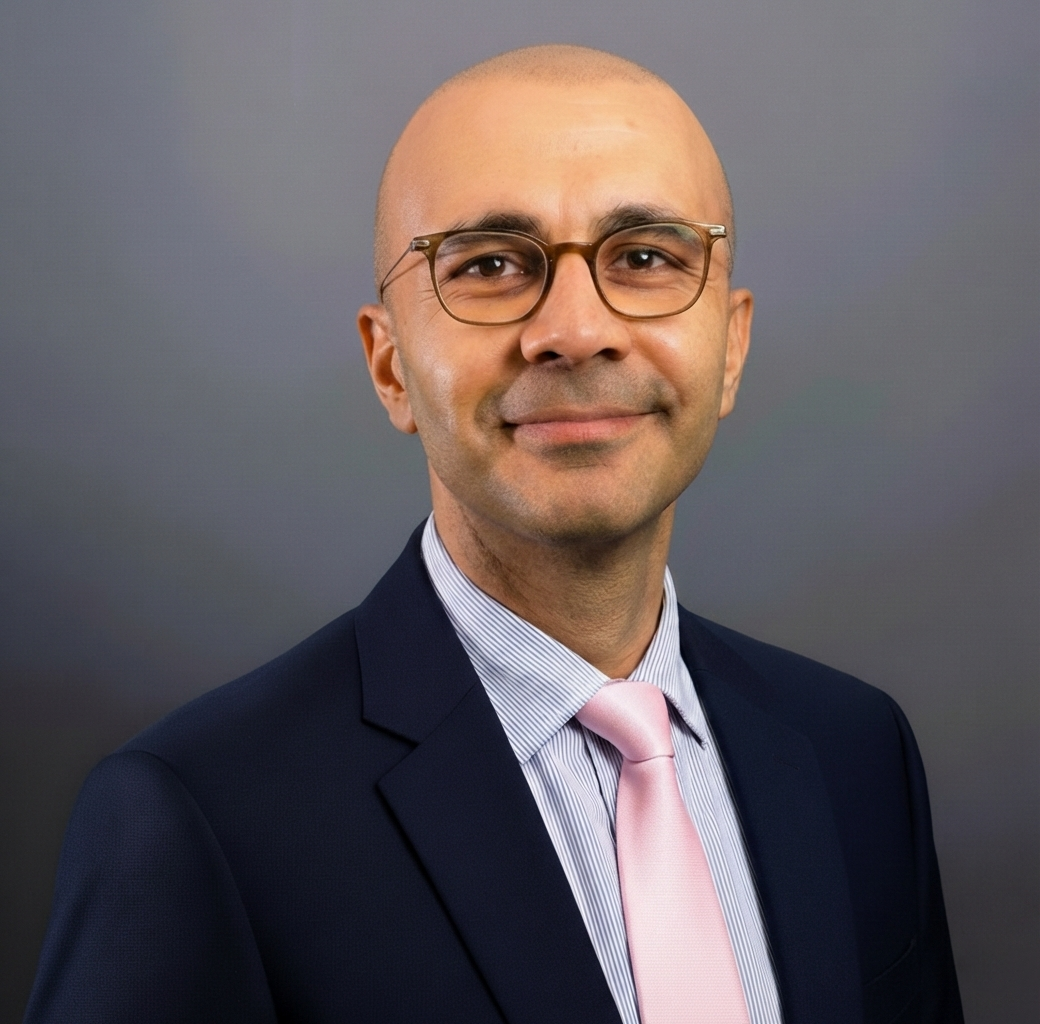
Okan Bulut is Professor of Measurement, Evaluation, and Data Science at the University of Alberta, where his research spans digital assessment systems, learning analytics, and artificial intelligence applications in educational measurement. His recent work examines problem-solving processes in large-scale assessments and, increasingly, how AI-mediated interaction is changing what those processes reveal.
Engin Bumbacher
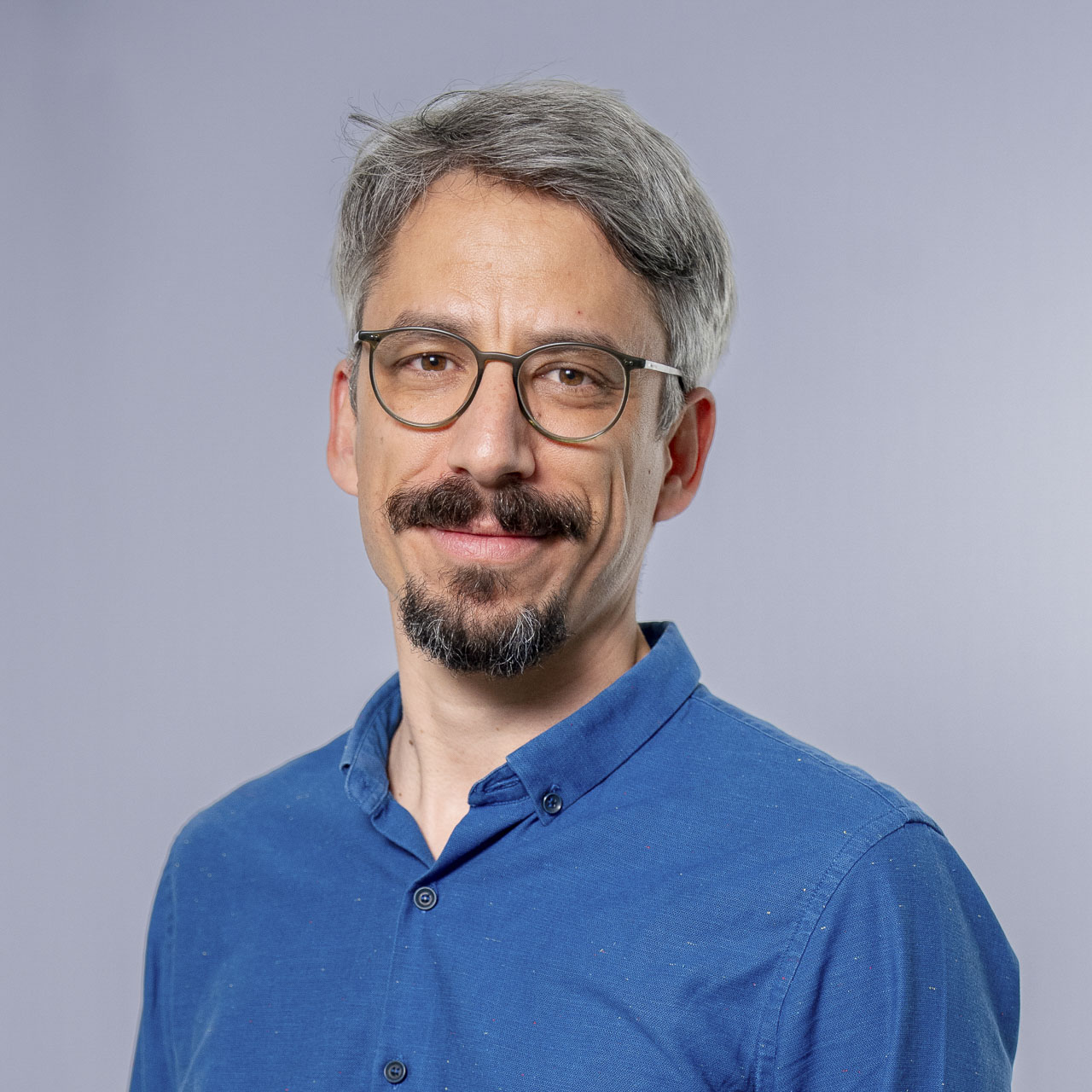
Engin Bumbacher is Professor of Computer Science Education and Educational Technology at the University of Teacher Education in Lausanne, Switzerland. His research focuses on the design of learning technologies and assessments that support rich, competency-based learning in STEM, with particular interests in computational problem-solving and AI-supported learning; he also served on the OECD PISA 2025 expert group for Learning in the Digital World. He holds a PhD in Learning Sciences and Technology Design from Stanford University, as well as degrees in physics and neural systems and computation from ETH Zurich.
Philipp Doebler
Philipp Doebler works at the intersection of statistics, data science and assessment often in collaboration with researchers in education and psychology. At TU Dortmund University’s Statistics Department he leads the group for Statistics in the Social Sciences and is co-speaker of the interdisciplinary research center Agile PAIR that investigates data-driven intervention and prevention.
Jiangang Hao
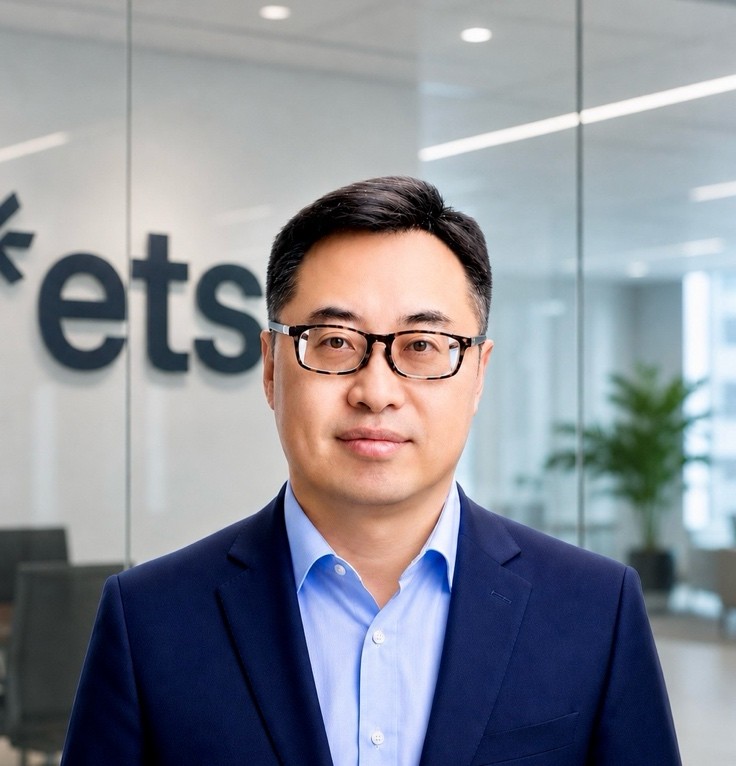
Dr. Jiangang Hao is a Research Director at the ETS Research Institute, where he leads the Assessment of Complex Skills program. His research focuses on measuring communication, collaboration, and other complex skills using process data, artificial intelligence, and interactive digital technologies. He has authored more than 100 publications and leads multiple large-scale research projects that advance the measurement of 21st-century skills.
Qiwei (Britt) He
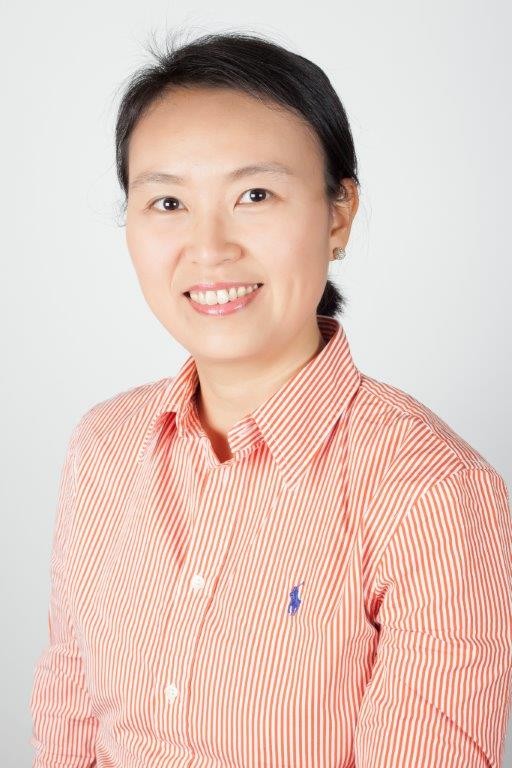
Prof. Dr. Qiwei (Britt) He is the Provost’s Distinguished Associate Professor in the Department of Psychology and Data Science and Analytics Program and the Founder and Director of the AI Measurement and Data Science Lab at Georgetown University. Her research spans psychometric modeling and machine learning, with a particular focus on advancing methodologies for sequential process data analysis, sequence mining, text mining, multimodal data analytics, artificial intelligence for interactive design, and automated item generation and scoring systems in national and international large scale assessments. She is also appointed as a Hughes Hall Visiting Scholar at the University of Cambridge and is a recipient of the Humboldt Research Fellowship. She is also serving on the Board of Human-System Integration at the National Academies of Sciences, Engineering and Medicine in the United States.
Surina He
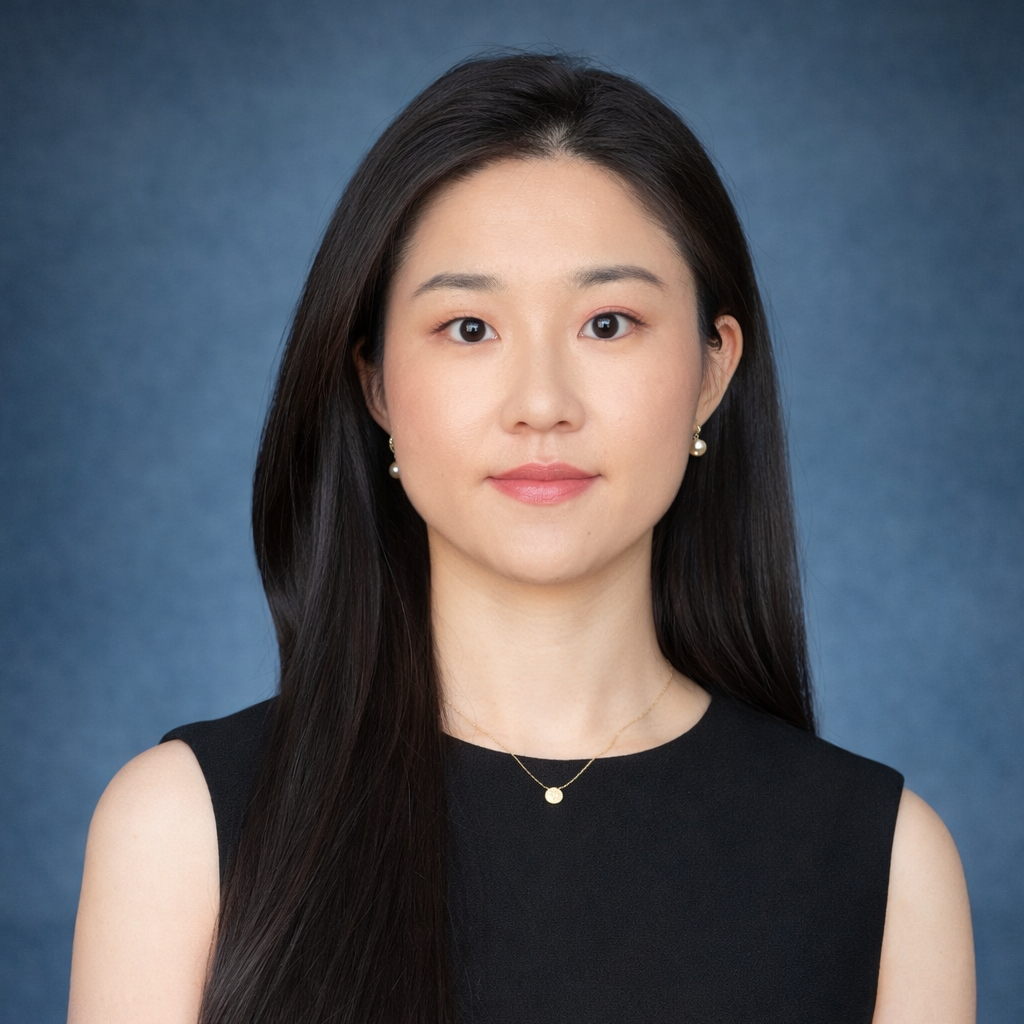
Dr. Surina He is an Assistant Professor in the Learning Sciences & Assessment Department at the National Institute of Education, Nanyang Technological University, Singapore. She received her Ph.D. degree in Measurement, Evaluation, and Data Science at the University of Alberta, Canada. Her research interests focus on using diverse forms of process data and AI-enhanced methods to examine complex skills and cognitive processes, particularly in technology-enhanced learning and assessment environments.
Bryan Maddox
Professor (Dr) Bryan Maddox is Research Director for Digital Assessment Futures at the Digital Education Futures Initiative (DEFI), University of Cambridge, and Executive Director of Assessment Micro-Analytics Ltd. Bryan is an Honorary Professor at the University of East Anglia, where he was previously Professor of Educational Assessment. He has held Visiting Professor roles at the Centre for Educational Measurement, University of Oslo, and at the University of British Columbia.
Artur Pokropek
Artur Pokropek is a Professor of Social Sciences at the Institute of Philosophy and Sociology of the Polish Academy of Sciences, where he heads the Computational Social Science Division, and a researcher at the Educational Research Institute (IBE-PIB) in Warsaw. His research focuses on psychometrics, measurement methodology, and the analysis of large-scale assessments (PISA, PIAAC, TIMSS), with particular emphasis on process data, response biases, and machine learning. His work has appeared in journals including Science, the Journal of Educational Psychology, and Sociological Methods & Research.
Esther Ulitzsch
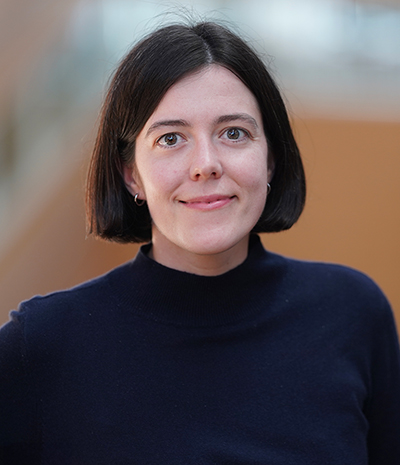
Esther Ulitzsch is a Professor at the Centre for Educational Measurement, University of Oslo, where she has been based since January 2024. She is also an Adjunct Professor at the Centre for Research in Applied Measurement and Evaluation, University of Alberta (Canada), and an International Visiting Professor at the IPN – Leibniz Institute for Science and Mathematics Education (Germany). Her research focuses on psychometrics, process data, and small-sample estimation.
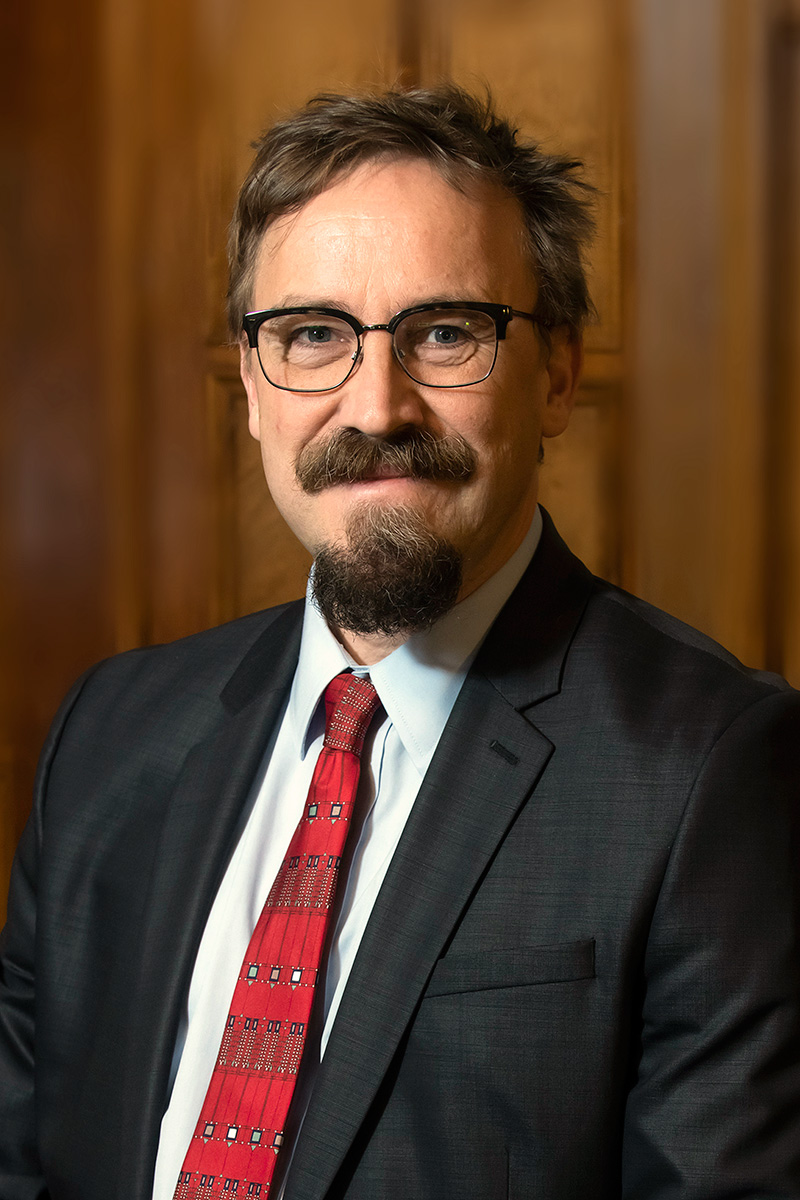
Matthias von Davier
Matthias von Davier is the J. Donald Monan, S.J., Professor in Education and Executive Director of the TIMSS & PIRLS International Study Center at Boston College. His research focuses on psychometrics and educational measurement, including item response theory, latent class analysis, diagnostic classification models, and the use of AI in the design, assembly, and analysis of international assessments. He is an elected member of the National Academy of Education and a Fellow of the American Educational Research Association.